
- August 31, 2026
- Posted by: administrators
- Category: public
The House Edge Explained
The concept of the house edge is fundamental to understanding how gambling works. Every game in a casino is designed with a built-in advantage for the house, which ensures that over time, the casino will profit. The house edge varies from game to game; for example, slot machines typically have a higher percentage compared to table games like blackjack or poker. Players who wish to explore platforms like 1win may notice that this advantage means that while they can win in the short term, the odds favor the house in the long run.
Players often misunderstand the house edge, believing that clever strategies can overcome it. However, the reality is that the odds are heavily stacked against them. This doesn’t mean that players should abandon hope; understanding the odds and statistical probability can enhance the overall gaming experience. By approaching games with a clear understanding of the house edge, players are better equipped to manage their expectations and enjoy their time at the tables or machines.
Moreover, the house edge is not merely a fixed number; it can fluctuate based on player choices. For instance, a skilled player at a game like blackjack can minimize the house edge by using optimal strategies, such as basic strategy charts or card counting. However, these techniques require practice and discipline, and even then, they do not guarantee success. The house edge serves as a reminder that while players can influence their outcomes, the odds will always be in favor of the casino over an extended period.
The Role of Luck vs. Skill
Gambling inherently involves a mix of luck and skill, which leads to the common myth that players can consistently beat the house. Many games, like slots, are primarily luck-based, relying on random number generators that dictate outcomes. In these cases, no amount of skill can influence the results, making the idea of “beating the house” more about chance than strategy.
On the other hand, skill-based games such as poker and blackjack allow knowledgeable players to leverage their expertise for better odds. In poker, for example, understanding opponents’ behaviors and probabilities can tilt the game in a player’s favor. However, even in skill-based games, elements of luck remain, such as the cards dealt or the spins of the wheel. Consequently, players may experience both winning streaks and losses, leading them to believe they can beat the house when, in reality, they might just be riding a wave of fortunate outcomes.
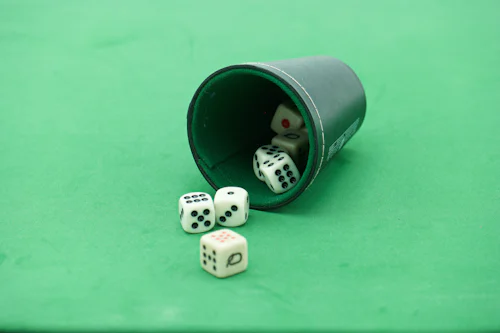
The balance of luck and skill underscores the unpredictable nature of gambling. Players may find themselves winning for a time, which can instill a false sense of confidence and lead them to believe they can always outsmart the house. These moments of success often mask the inevitable eventual losses that come with trying to consistently beat the odds. Recognizing the role of both luck and skill can help players approach gambling with a healthier mindset, focusing on entertainment rather than profit.
Myths vs. Reality: Common Misconceptions
Many myths surround gambling that contribute to the misconception of beating the house. One prevalent myth is the idea that certain betting systems, such as Martingale, can guarantee a win. These systems often advocate doubling bets after losses in hopes of recouping costs. However, such systems do not change the house edge and can lead to devastating losses, especially if players encounter a losing streak that exceeds their bankroll.
Another common belief is that certain times or conditions make winning more probable. Some gamblers think that if a slot machine hasn’t paid out in a while, it’s ‘due’ for a win. In reality, slot machines operate independently of past outcomes, and each spin is random. Such misperceptions can lead to poor decisions and increased losses as players chase after imaginary trends that do not exist.
Lastly, many believe that gambling can be a reliable source of income. While some individuals may have occasional success, gambling should be approached primarily as entertainment. Relying on gambling as a way to earn money can result in harmful financial consequences, ultimately reinforcing the reality that the house always has the edge. Understanding these myths allows players to enjoy gambling responsibly and with appropriate expectations.
The Psychological Impact of Gambling
The psychological aspects of gambling play a crucial role in how players perceive their chances of beating the house. Many gamblers experience cognitive biases that distort their understanding of risk and reward. For instance, a player may recall a big win more vividly than a string of losses, leading them to overestimate their chances of winning. This phenomenon is known as the ‘gambler’s fallacy,’ where players believe that past events influence future outcomes in random games.

Additionally, the thrill of gambling can create an addictive cycle, encouraging players to continue playing even when they are losing. The excitement of a near win can be just as powerful as an actual win, drawing players back to the tables. This emotional rollercoaster can inhibit rational decision-making, making it difficult for players to recognize the house edge and its implications.
Understanding these psychological factors can aid players in developing healthier gambling habits. Awareness of cognitive biases can help individuals maintain a clear perspective on their gaming experiences. Additionally, setting limits on time and spending can mitigate the impact of gambling’s emotional ups and downs, allowing players to approach the activity with a more balanced mindset. By acknowledging the psychological influences at play, individuals can enjoy gambling responsibly while recognizing the reality of the odds.
Responsible Gambling and Player Resources
For those who enjoy gambling, responsible practices are vital to ensure a fun and safe experience. Understanding that the house always has an edge reiterates the importance of playing for enjoyment rather than profit. Setting strict budgets and time limits can help mitigate risks and prevent financial difficulties associated with gambling. Players should also be aware of their motivations for gambling, as understanding one’s reasons can lead to healthier habits.
Numerous resources are available for players seeking to understand gambling better and its potential risks. Many casinos offer information about responsible gaming practices and provide links to support resources. Online forums and websites are also valuable for players looking to connect with others and share experiences regarding responsible gambling. Education is key in navigating the complexities of gambling, allowing players to make informed decisions.
By promoting responsible gambling practices, the industry can foster a safer environment for players while debunking myths that lead to misunderstandings. Emphasizing the importance of fun over profit can help cultivate a positive atmosphere where players can enjoy their experiences without succumbing to the dangers of gambling addiction. Understanding both the risks and rewards enhances the enjoyment and helps players engage with gambling in a healthier manner.
